
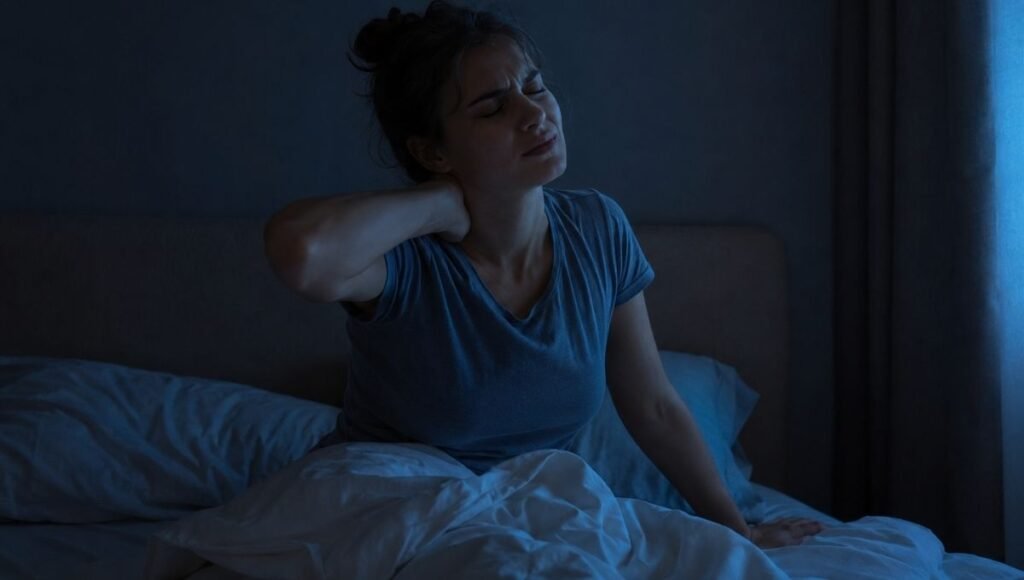
You wake up at 2am and the sheets are wet. Not damp — wet, the kind that requires getting up, finding a dry shirt, sometimes flipping the pillow to the cool side that’s somehow already gone. Your heart might be racing a little. You might feel suddenly, urgently cold as the moisture evaporates against your skin. And then you lie there, wide awake, wondering if this is just how nights are now.
If you’re a woman experiencing this regularly, you’re dealing with one of the most disruptive and most under-discussed sleep problems there is. Night sweats don’t just interrupt sleep once — they often mean changing clothes, sometimes changing sheets, and then trying to fall back asleep with a nervous system that’s now fully activated. By the time you’ve settled back down, twenty or thirty minutes have often passed.
The good news: night sweats in women are extremely common, they have identifiable hormonal causes in the vast majority of cases, and there’s a real, practical range of things — environmental, behavioral, and in some cases medical — that meaningfully reduce them. This guide covers all of it: why this happens to women specifically, what’s different about hormonal night sweats versus other causes, and the complete approach to getting your nights back.
Key Takeaways
- Night sweats affect up to 75% of perimenopausal and menopausal women, making it one of the most common — and most disruptive — symptoms of the menopause transition, according to research published in Menopause.
- Night sweats are driven by estrogen withdrawal causing the brain’s temperature-regulation center (the hypothalamus) to become hypersensitive — triggering a full cooling response (sweating, increased heart rate) in response to minor temperature changes that wouldn’t normally register.
- Night sweats also occur for non-menopausal reasons — before your period, during pregnancy and postpartum, from anxiety, alcohol, certain medications, and (less commonly) underlying medical conditions.
- Bedroom temperature and bedding material are the highest-leverage, lowest-effort changes for reducing the severity and duration of night sweats — more impactful than most people realize.
- Night sweats that are new, severe, accompanied by unexplained weight loss, fever, or persistent illness warrant medical evaluation — these are less common but important to rule out.
Why Women Get Night Sweats: The Hormonal Mechanism
The most common cause of night sweats in women, by a wide margin, is hormonal — specifically, fluctuating or declining estrogen. Understanding the actual mechanism makes the experience feel less random and more manageable.
Your hypothalamus — a small region of the brain — acts as your body’s thermostat. It monitors core temperature and triggers cooling mechanisms (sweating, increased blood flow to the skin) when temperature rises above a certain threshold, and warming mechanisms (shivering, vasoconstriction) when it drops too low.
Estrogen plays a direct role in keeping this thermostat calibrated correctly. When estrogen levels drop or fluctuate — during perimenopause, menopause, the days before your period, postpartum, or while breastfeeding — the hypothalamus becomes hypersensitive. It begins reacting to temperature changes that would normally be completely unnoticeable, triggering a full hot flash and sweating response to a change of a fraction of a degree.
This is why night sweats feel like they come out of nowhere. They’re not actually a response to your room being too warm in any meaningful sense — they’re a response to your brain’s miscalibrated thermostat overreacting to normal, minor fluctuations.
There’s also a sleep-specific dimension to this. Normal sleep involves a slight natural decrease in core body temperature as part of initiating and maintaining deep sleep. For someone with a hypersensitive hypothalamus, this completely normal temperature dip can itself trigger the hot flash and sweating response — which is part of why night sweats are often worse than daytime hot flashes, even though nothing dramatic is actually happening to your body temperature.
Night Sweats at Different Life Stages
Before your period (PMS-related night sweats)
A drop in estrogen in the days right before menstruation can trigger night sweats in a pattern that follows your cycle. If you notice the sweating consistently occurs in roughly the same window each month, this is very likely the explanation — and importantly, it is not a sign of early menopause. It’s simply your body’s hormonal rhythm.
During pregnancy and postpartum
Pregnancy involves enormous hormonal shifts, and many women experience night sweats throughout — particularly in the first and third trimesters. Postpartum night sweats are extremely common as the body works to shed the fluid retained during pregnancy and as hormone levels recalibrate after birth.
Breastfeeding extends this period. Nursing keeps the body in a state of relative estrogen deficiency (similar in some ways to early perimenopause), which is why postpartum night sweats often persist for as long as breastfeeding continues. If night sweats continue for several months after weaning and your period has returned, it’s worth mentioning to your doctor — occasionally this can indicate a postpartum thyroid issue, which is straightforward to check with a blood test.
Perimenopause and menopause
This is the most common and most studied cause of night sweats in women. As estrogen levels begin declining — often years before periods actually stop — the hypothalamus becomes increasingly sensitive, and night sweats (along with daytime hot flashes) become more frequent.
Research published in Menopause found that up to 75% of women experience vasomotor symptoms (the clinical term for hot flashes and night sweats) during the menopause transition, with many experiencing them for an average of 7 years — considerably longer than most women expect.
One thing worth saying clearly: you do not have to simply tolerate this as an unavoidable part of menopause. There are genuinely effective treatment options, both hormonal and non-hormonal, and a conversation with a menopause-informed provider can meaningfully change your experience of this transition.
Non-Hormonal Causes Worth Knowing About
Hormones explain the majority of cases, but not all of them. A few other causes are worth understanding.
Alcohol. Even moderate evening alcohol consumption can trigger night sweats. Alcohol is a vasodilator — it widens blood vessels and increases skin temperature — and as it metabolizes overnight, it can produce both a sweating response and a subsequent chill as your body recalibrates.
Anxiety and certain medications. Anxiety activates the sympathetic nervous system, which can produce sweating as part of the broader stress response. Certain medications — particularly SSRIs and SNRIs (common antidepressant classes) — list night sweats as a known side effect. If this applies to you and the sweats are mild and occasional, many people choose to continue their medication since the benefits typically outweigh this side effect; if it’s significant, it’s worth raising with your prescriber, as alternatives or dose adjustments are often available.
Low blood sugar. A drop in blood glucose overnight can trigger a stress hormone response (adrenaline, cortisol) that includes sweating, particularly in people who eat very early dinners or have blood sugar regulation challenges.
Sleep apnea. When breathing is repeatedly interrupted during sleep, the body’s stress response activates — a burst of adrenaline that raises heart rate and body temperature. If night sweats are accompanied by snoring, gasping, or waking unrested despite adequate hours, sleep apnea is worth ruling out.
Infections. A fever “breaking” overnight — whether from a cold, flu, or other infection — commonly produces a drenching sweat as the body’s temperature returns to normal. This is typically obvious from context (you’re sick) and resolves with the illness.
What Actually Reduces Night Sweats
Cool the room — more aggressively than feels necessary
This is the single highest-leverage change available, and most people underestimate how much it matters. The research-supported optimal sleep temperature is 65–68°F (18–20°C) for general sleep quality — but for night sweats specifically, erring toward the cooler end (65°F or below) gives your hypersensitive hypothalamus more buffer before a minor fluctuation triggers a full response.
A bedroom that feels “comfortable” at bedtime is often too warm by 2am when a hot flash hits. The goal isn’t comfort at 10pm — it’s enough thermal headroom to absorb the spike without it becoming a full sweat event.
Choose breathable, moisture-wicking bedding and sleepwear
This is where environmental changes have a genuinely outsized impact, and it’s also where thoughtful product choices matter most.
Bedding material: Heavy cotton, flannel, and synthetic blends trap heat and moisture against the body — turning a brief hot flash into a prolonged, uncomfortable event because the moisture has nowhere to go. Natural breathable fibers — particularly bamboo, linen, and high-quality moisture-wicking performance fabrics designed specifically for temperature regulation — allow heat and moisture to dissipate quickly, which can dramatically shorten how long a night sweat episode actually lasts and how disruptive it feels.
Cooling mattress pads and toppers add an additional layer of thermal regulation directly where you sleep, which matters because they address the surface you’re in direct contact with for hours, rather than only the ambient room air.
Sleepwear: Heavy or synthetic pajamas work against you the same way heavy bedding does. Lightweight, moisture-wicking sleepwear — or no sleepwear at all, if that’s comfortable for you — allows the sweat that does occur to evaporate quickly rather than sitting against the skin.
The layering strategy: Rather than one heavy blanket, use a lighter top layer with an easily removable additional layer nearby. This allows rapid adjustment during and after a hot flash without fully waking to dig through linens in the dark.
A fan, positioned correctly
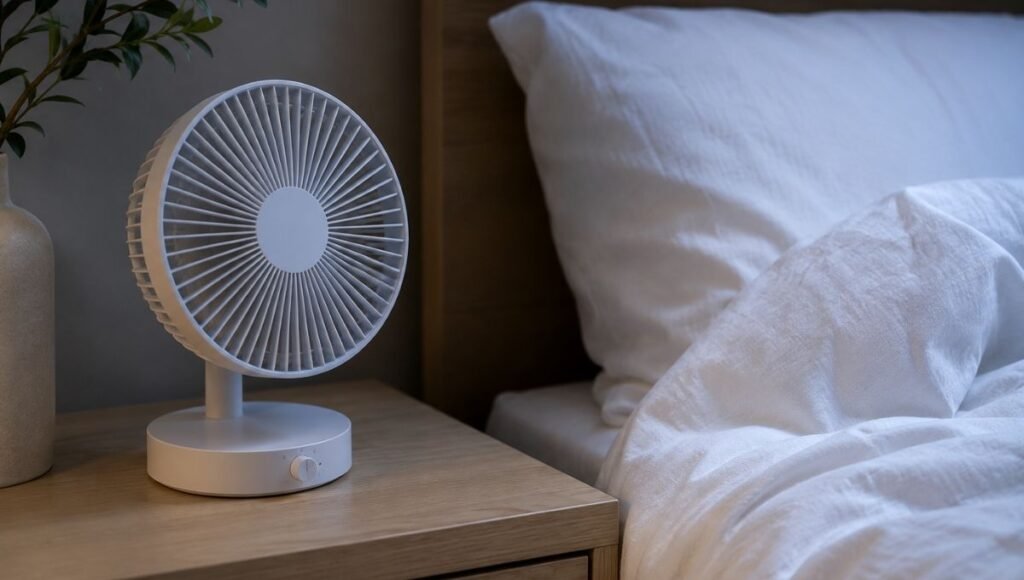
A fan directed across the bed — not directly at the face, which some people find uncomfortable — helps the body dissipate heat during a flash and can meaningfully reduce both the intensity of the event and the time it takes to settle back down afterward. Many women find that keeping a fan running continuously through the night, rather than only when a flash hits, provides a more consistent buffer.
Reduce evening alcohol and spicy food
Both are well-documented triggers for vasomotor symptoms. Alcohol’s vasodilating effect and spicy food’s capsaicin-triggered thermal response can both independently trigger or worsen night sweats. If you notice a pattern between evening drinking or spicy meals and worse nights, eliminating or moving them earlier in the day for two weeks is a clean test.
A cool shower or face/wrist rinse before bed
Lowering your skin temperature slightly before sleep — a cool (not cold) shower, or simply running cool water over your wrists and the back of your neck — can give your hypersensitive thermostat a bit more starting headroom before sleep, similar in principle to cooling the room itself.
Have a recovery plan for when it happens anyway
Even with good environmental management, night sweats will sometimes break through — particularly during active perimenopause or menopause. Having a plan reduces how disruptive each episode is to your overall sleep:
- Keep a spare, lightweight top within reach of the bed so you don’t need to fully wake or turn on bright lights to change
- A small towel on the nightstand to quickly dry off rather than lying in dampness while you decide what to do
- Avoid checking your phone or turning on overhead lights during the recovery — both make returning to sleep significantly harder
- If you’re fully awake after a sweat episode, a few minutes of slow extended-exhale breathing (in for 4, out for 6–8) helps settle the elevated heart rate that often accompanies the event
When Night Sweats Are a Medical Conversation, Not Just an Environmental One
Most night sweats in women are hormonal, benign, and respond meaningfully to the environmental and behavioral changes above. But there are situations where it’s worth talking to a healthcare provider — both for treatment options and to rule out less common causes.
Talk to your doctor if:
- Night sweats are significantly affecting your sleep and daily function, and you want to discuss treatment options including hormone therapy (MHT) or non-hormonal medications — you do not have to simply tolerate this
- Night sweats are accompanied by unexplained weight loss, persistent fever, or significant fatigue — these combined symptoms warrant evaluation
- You experience persistent cough (especially with blood), swollen lymph nodes in the neck or armpits, or unexplained rashes or easy bruising alongside night sweats
- Night sweats began with a medication change — your prescriber can discuss whether an adjustment makes sense
- Night sweats continue for several months after weaning and your period has returned (possible thyroid involvement, easily checked)
- You’re young and experiencing night sweats without an obvious explanation — while uncommon, this combination is worth a conversation
To be clear: most night sweats are not a sign of anything serious. The combination of symptoms above — particularly unexplained weight loss alongside persistent sweats — is what shifts this from “manage at home” to “get checked,” not the night sweats alone.
If You Only Have 10 Minutes to Change Something Tonight
Lower your thermostat by 2–3 degrees more than feels necessary. Switch to your lightest available top sheet or remove one layer of bedding. Put a glass of cool water and a spare lightweight shirt within reach of the bed.
These three changes address the most controllable variable (room and bedding temperature) and reduce the disruption of an episode that does happen, without requiring any purchase or preparation time.
Frequently Asked Questions
Why do women get night sweats?
The most common cause is fluctuating or declining estrogen, which makes the brain’s temperature-regulation center (the hypothalamus) hypersensitive to minor temperature changes — triggering a full sweating response to fluctuations that wouldn’t normally register. This happens during perimenopause and menopause most commonly, but also occurs before menstrual periods, during pregnancy, and postpartum (especially while breastfeeding) due to similar estrogen-related mechanisms.
Are night sweats always related to menopause?
No. While menopause and perimenopause are the most common causes in women over 40, night sweats also occur due to premenstrual hormone shifts, pregnancy, postpartum recovery and breastfeeding, anxiety, alcohol, certain medications (particularly SSRIs), low blood sugar, and sleep apnea. Less commonly, persistent night sweats accompanied by other symptoms can indicate an infection, thyroid condition, or other medical issue worth evaluating.
How can I stop night sweats naturally?
The most effective non-medical approaches are cooling your bedroom to 65°F or below, switching to breathable moisture-wicking bedding and sleepwear, using a fan positioned across the bed, reducing evening alcohol and spicy food, and taking a cool shower or rinsing your wrists with cool water before bed. These environmental and behavioral changes don’t eliminate hormonally-driven night sweats entirely but can meaningfully reduce their frequency and severity.
Is it normal to have night sweats every night?
For women in active perimenopause or menopause, frequent — even nightly — night sweats are common, affecting up to 75% of women during this transition for an average of 7 years. Common doesn’t mean you have to simply tolerate it: effective treatments exist, both hormonal and non-hormonal, and a conversation with a healthcare provider can meaningfully improve your experience.
What’s the difference between night sweats and a normal warm night?
A normal warm night produces mild, general perspiration that’s proportional to the room temperature and resolves as you adjust your covers. Night sweats are disproportionate to room temperature — they can happen in a cool room, come on suddenly, and are often drenching enough to require changing clothes or sheets. They’re frequently followed by feeling distinctly cold as the moisture evaporates, which is a hallmark that distinguishes them from ordinary warm-night sweating.
When should I worry about night sweats?
Most night sweats, especially in women going through hormonal transitions, are not a cause for serious concern. Worry increases when night sweats are accompanied by unexplained weight loss, persistent fever, a cough (especially with blood), swollen lymph nodes, or unexplained rashes and bruising — this combination of symptoms warrants a prompt medical evaluation. Night sweats alone, even when frequent, are usually a hormonal or environmental issue rather than a sign of serious illness.
You’re Not Imagining How Disruptive This Is
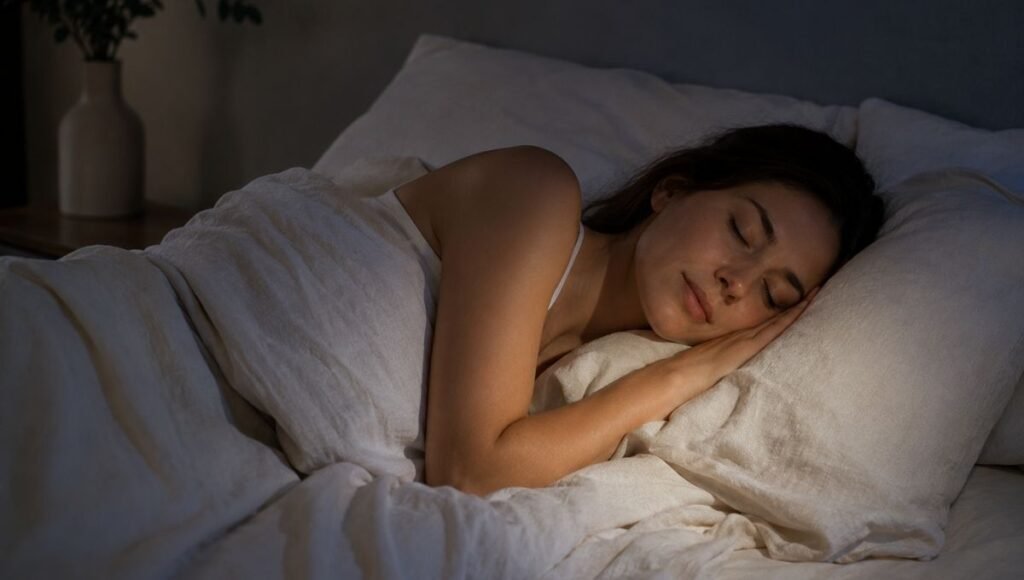
Night sweats get talked about almost casually — a footnote on menopause symptom lists, a brief mention in pregnancy guides. But anyone who’s actually lived through a 2am wake-up drenched in sweat, changing clothes in the dark, lying there with a racing heart waiting to feel normal enough to sleep again, knows it’s not a minor inconvenience. It’s a genuine, repeated disruption to the rest your body needs.
The hormonal mechanism behind it is real and well understood. The environmental changes that help are genuinely effective, even if they feel almost too simple to matter. And if the sweats are significantly affecting your life, effective medical treatment exists — you don’t have to just wait it out.
Start with the room. Cool it more than feels necessary. Change the bedding. Have a recovery plan ready for the nights it happens anyway. And if it’s still disrupting your life after consistent effort, bring it to your doctor — this is a genuinely treatable problem, not something you have to white-knuckle through.
For the broader picture of perimenopause-related sleep disruption, read our complete guide on perimenopause insomnia. And for the foundational sleep environment changes that support every kind of better rest, our guide on best temperature for sleep covers the science in full.
References
- Kravitz, H. M., & Joffe, H. (2011). Sleep during the perimenopause: A SWAN story. Obstetrics and Gynecology Clinics of North America, 38(3), 567–586.
- Avis, N. E., Crawford, S. L., Greendale, G., et al. (2015). Duration of menopausal vasomotor symptoms over the menopause transition. JAMA Internal Medicine, 175(4), 531–539.
- Freedman, R. R. (2014). Menopausal hot flashes: Mechanisms, endocrinology, treatment. Journal of Steroid Biochemistry and Molecular Biology, 142, 115–120.
- North American Menopause Society. (2022). The 2022 hormone therapy position statement of The Menopause Society. https://www.menopause.org/publications/clinical-practice-materials/2022-hormone-therapy-position-statement
- Okamoto-Mizuno, K., & Mizuno, K. (2012). Effects of thermal environment on sleep and circadian rhythm. Journal of Physiological Anthropology, 31(1), 14.
NourishDAO publishes sleep and wellness content for informational purposes only. This article is not a substitute for professional medical advice, diagnosis, or treatment. If you have persistent or severe night sweats, or symptoms accompanying them that concern you, please consult a qualified healthcare provider.