
There is a profound, near-sacred silence that occurs in the moments between boiling the water and pouring the tea. For many wellness seekers and tea enthusiasts, this isn’t just about quenching thirst; it’s about a deliberate pause in a hectic day. At the heart of this mindful practice sits one essential vessel: the teapot.
Choosing a teapot is more than a functional decision; it is an investment in your daily peace. Whether you are drawn to the rustic weight of tradition or the sleek efficiency of modern technology, the way you brew your tea dictates the energy of your entire ritual. In this guide, we will explore the diverse world of pot teapots and help you find the perfect companion for your wellness journey.
1. The Soul of the Steep: Why Your Choice Matters
Why does the vessel matter so much? If you’ve ever used a high-quality teapot, you know that tea is sensitive to its environment. Temperature stability, material reactivity, and even the ergonomics of the handle play a role in the final cup.
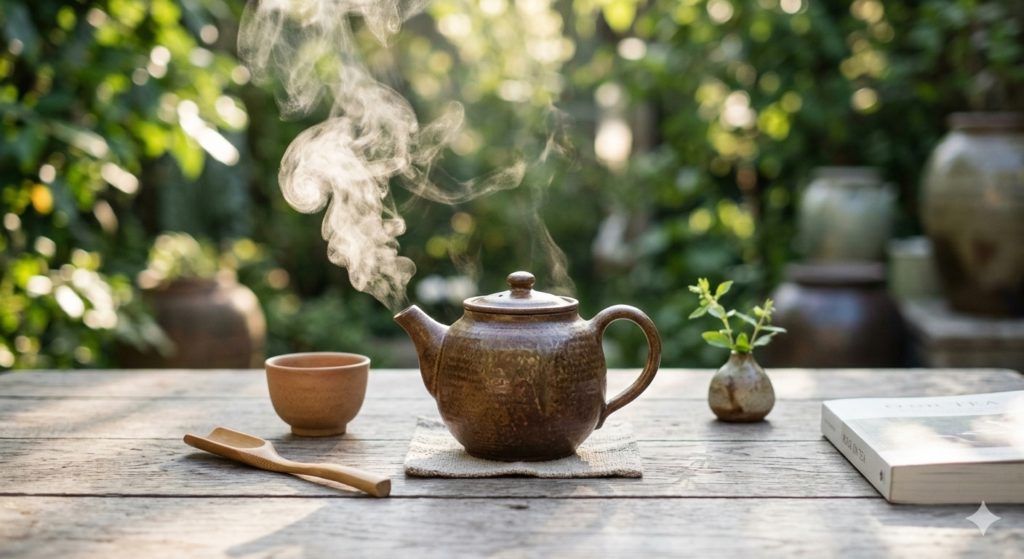
A well-crafted teapot does more than just hold water; it coaxes the delicate oils out of the tea leaves. It respects the patience required for a perfect steep. From the heavy-duty cast iron teapot to the crystal-clear glass teapot, each material tells a different story and serves a unique purpose in your tea-drinking ritual.
2. Finding Your Soulmate: A Comparison of Popular Teapots
When you browse the vast category of pot teapots, it can feel overwhelming. To help you choose, let’s break down the three most popular materials based on performance and lifestyle fit.
| Feature | Electric Teapot | Glass Teapot | Cast Iron Teapot |
| Best For | Accuracy & Speed | Visual mindfulness | Superior heat retention |
| Material | Stainless Steel/Steel | Borosilicate Glass | Enameled Cast Iron |
| Heat Retention | Low (unless insulated) | Moderate | Extremely High |
| Tea Type | Specialty (Green/White) | Blooming & Herbal Tea | Black & Oolong Tea |
The Modern Precision: The Electric Teapot Advantage
In our fast-paced world, the electric teapot has bridged the gap between convenience and tradition. If you enjoy delicate teas like Gyokuro or Silver Needle, precision is key. Pouring 212°F boiling water over delicate leaves can destroy their amino acids, resulting in a bitter brew. A high-end electric teapot allows you to set the temperature to exactly 175°F, preserving the tea’s natural sweetness.
Visual Serenity: The Magic of the Glass Teapot
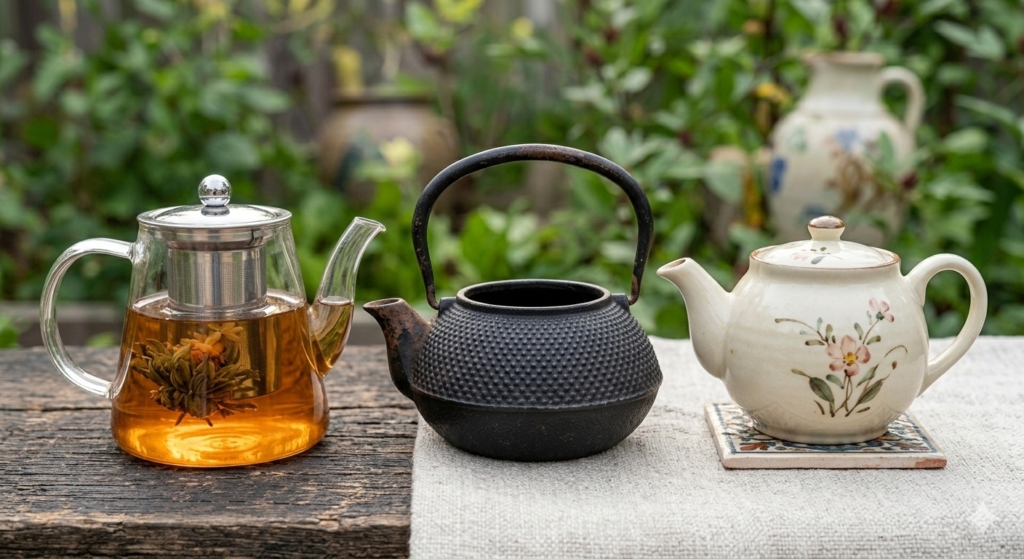
For those who view tea as a visual art form, the glass teapot is unmatched. Made from thermal-shock-resistant borosilicate glass, these vessels allow you to watch “flowering teas” bloom. It encourages a meditative state—watching the water change from clear to amber forces you to slow down and stay present.
The Heirloom Choice: Strength of the Cast Iron Teapot
Inspired by Japanese Tetsubin designs, the cast iron teapot is the undisputed king of heat retention. It can keep your tea hot for nearly an hour. These are often hand-crafted works of art, featuring intricate patterns that add a sense of “weight” and groundedness to your tea sanctuary.
3. Mastery Guide: How to Use a Teapot Like a Pro
Many people own a beautiful vessel but struggle with the mechanics. Let’s answer the essential question: How to use a teapot? To get a “Gold Medal” brew every time, follow these steps:
- The Warm-Up: Never pour hot water into a cold pot. Pour about 2 oz of hot water into your teapot, swirl it for 15 seconds, and discard. This “wakes up” the vessel.
- The Leaf-to-Water Ratio: Use roughly 2 grams of loose-leaf tea per 100ml of water. For a standard 24oz pot teapot, use about 3 leveled tablespoons.
- The Gentle Steep: Aim the water stream at the side of the pot rather than directly onto the leaves to avoid “bruising” delicate varieties.
- The Timing: * Green Tea: 2–3 minutes at 175°F.
- Black Tea: 3–5 minutes at 205°F.
- Herbal Tea: 5–7 minutes at 212°F.
4. Maintenance: Keeping Your Teapot in Pristine Condition
To ensure the goodness of your tea remains untainted, proper care is vital:
- For Glass: Remove stubborn stains with a mix of lemon juice and baking soda. It will look brand new for your next photo.
- For Cast Iron: Never use dish soap. The porous enamel can trap soap flavors. Rinse with warm water and dry immediately with a soft cloth to prevent rust.
- For Electric: Descale once a month with white vinegar to remove mineral buildup from the heating element.
5. FAQ: Your Teapot Questions Answered
Q: Can I put a glass teapot directly on a stove? A: Only if it is explicitly labeled “stovetop safe.” Most decorative glass teapots are designed for steeping with pre-heated water only.
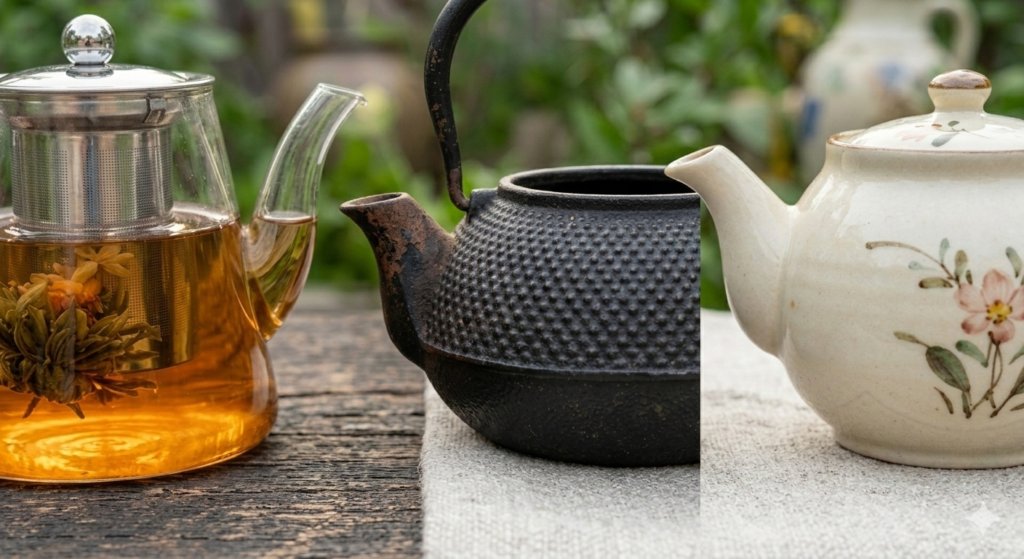
Q: Why does my cast iron teapot have a mesh basket? A: That is a built-in infuser. It allows you to remove the leaves easily once the tea reaches its peak flavor, preventing it from becoming over-steeped and bitter.
Q: Is an electric teapot better than a kettle? A: While a kettle just boils water, an electric teapot usually includes an infuser and temperature presets, providing a seamless “all-in-one” brewing experience for wellness lovers.
Conclusion: Your Mindful Pour Begins Today
A teapot is more than just kitchenware; it is a gateway to a more intentional lifestyle. Whether you choose the high-tech precision of an electric teapot, the transparency of a glass teapot, or the ancient soul of a cast iron teapot, the result is the same: a moment of peace in every cup.
Gentle Advice: Don’t wait for a “special occasion” to bring out your best pot teapots. Make today the day you turn a simple break into a restorative ceremony. Your mind and body will thank you.